Planning Ahead: Spring Risk Management for Community Associations
March 9, 2026
Maximizing Community Value: Strategies for Activating Amenities and Elevating Community Lifestyle
April 7, 2026
Every community association, no matter how well‑run, carries a layer of “quiet risk.” These are the hazards that don’t always draw attention during board meetings, rarely appear in glossy marketing photos, and often surface only after an incident, claim, or costly repair. Hidden liabilities live in small cracks along sidewalks, dim lights in parking lots, aging playground hardware that “still looks okay,” outdated digital practices that expose resident data, and vendor relationships that rely on trust rather than documented protections.
At Corner Property Management (CPM) AAMC, we help boards identify, quantify, and systematically reduce these risks. The goal is straightforward: protect people, preserve property value, and keep operating costs predictable by preventing preventable problems. This long‑form guide explains where hidden liabilities tend to lurk and how a disciplined property management approach transforms risk into resilience.
Uneven Sidewalks and Trip Hazards
Trip‑and‑fall incidents are among the most common community claims because the causes are so deceptively ordinary. Freeze‑thaw cycles, tree root heave, settling soils, and irrigation overspray can lift or undermine slabs by fractions of an inch. Those small vertical changes become significant when combined with poor drainage, algae growth, or low lighting. Curbs, expansion joints, settled pavers, and worn stair nosings multiply the risk along busy pedestrian routes like mail kiosks, parking transitions, amenity entries, and school-bus stops.
A professional management program starts with seasonal condition assessments that map these hazards and prioritize remediation by severity and traffic pattern. Concrete grinding and slab lifting can restore level surfaces without full replacement when addressed early. Where trees are the culprit, arborists can advise root pruning, root barriers, or selective replacement with species that are less disruptive. Drainage improvements—regrading, downspout extensions, and catch-basin maintenance—keep surfaces dry and reduce slip potential. Just as important, we implement a simple reporting pathway so residents can flag issues quickly, and we document repairs and inspections to build a defensible timeline if a claim occurs.
Outdated Amenities and Aging Equipment
Amenities are a centerpiece of community life, but they age like any other asset—and often more quickly because they endure seasonal exposure and heavy use. Playgrounds can develop loose anchors, rusted hardware, and worn surfacing that no longer provides adequate fall protection. Fitness rooms accumulate out-of-service machines, frayed cables, and improperly maintained electrical components. Picnic areas can present burn risks when grills, propane storage, or ash disposal lack clear procedures and periodic checks. Sports courts may show surface delamination, trip edges, and deteriorated fencing that pose laceration or entanglement hazards.
The antidote is a lifecycle mindset. We help boards track each amenity as an asset with an expected useful life, maintenance schedule, and replacement reserve. That framework supports routine inspections, manufacturer-recommended service, and timely upgrades before a failure creates an injury, closure, or reputational damage. When replacements are due, we coordinate compliant specifications—such as playground surfacing depth, pool barrier standards, and equipment clearances—so improvements are safer, code‑aware, and covered by meaningful warranties.
Poor Lighting and Visibility Gaps
Dark corners in parking lots, stairwells, mailrooms, pet stations, and walkway transitions increase the likelihood of trips, collisions, and opportunistic crime. Burned-out lamps persist longer than they should when communities rely on resident complaints rather than scheduled night audits. Outdated fixtures produce uneven light levels and higher energy costs, and legacy controls miss the chance to balance safety with sustainability.
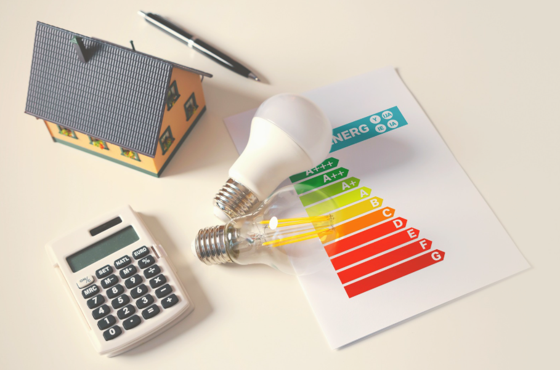
We conduct nighttime lighting walks to evaluate illumination, glare, uniformity, and fixture condition. Upgrading to LED with appropriate color temperature and photometrics improves visibility, cuts operating costs, and extends maintenance intervals. Where suitable, we recommend photocell or astronomical time controls and motion activation in lower-traffic zones to provide light when and where it’s needed without excess. Clear address markers and reflective signage further assist wayfinding for residents and responders. As with other risk domains, the key is not just to fix single bulbs but to establish a lighting standard and a maintenance cadence that riskskeeps the environment predictably safe.
Cyber Risks and Data Stewardship
Risk no longer lives only in the physical world. Community associations collect and handle sensitive information every day: names, addresses, payment methods, violation records, access credentials, and architectural plans. Board members may exchange this data over personal email, store it on unsecured devices, or reuse weak passwords across portals and bank interfaces. Vendors sometimes request rosters or entry codes via unencrypted channels. Even a basic phishing email can compromise a treasurer’s inbox and expose resident information or facilitate fraudulent payment instructions.
Corner Property Management AAMC helps boards adopt practical, right‑sized controls. We centralize records inside secure management systems rather than ad hoc spreadsheets, enforce role‑based access to minimize unnecessary data exposure, and encourage multi‑factor authentication on critical financial and portal accounts. We establish a retention policy so documents are not kept indefinitely, reducing the blast radius of any breach. Regular cyber‑hygiene reminders—recognizing phishing, verifying payment changes by phone, and discouraging personal devicevendorer storage—go a long way. We also create an incident response playbook so the board knows whom to contact, how to contain an event, and how to communicate with residents and insurers if needed.
Vendor-Related Liabilities and Contract Gaps
Communities rely on vendors for everything from landscaping and snow removal to elevators, roofs, and paving. Liability creeps in when scopes are vague, insurance certificates are outdated, or indemnification language is lopsided. A contractor operating without proper coverage on community property can shift the burden to the association if an injury or property damage occurs. Similarly, “handshake” arrangements or verbal change orders create confusion about responsibility, warranty coverage, and workmanship standards.
Our approach formalizes vendor management. Before work begins, we confirm licensing, endorsements, and current certificates of insurance with adequate limits and additional insured status where appropriate. We ensure scopes define safety practices, barricades, cleanup, and protection of existing conditions in occupied settings. For higher‑risk work, we coordinate with consulting engineers or manufacturer reps to set performance specs and required inspections. We document approvals and changes, align payment milestones to deliverables, and collect closeout materials and warranties so the community retains proof of compliance and quality.
Water Intrusion, Drainage, and Mold
Moisture is one of the costliest and most disruptive risks because it travels invisibly and degrades multiple systems at once. Clogged gutters, misdirected downspouts, compacted soil at foundations, and failing sealants permit water entry that can damage finishes, corrode metals, attract pests, and support mold growth. Inside, unnoticed pipe sweats, leaking valves, and overdue water heaters contribute to hidden damage that eventually emerges as staining, odors, or respiratory complaints.
We start by treating water as a system. Roofs, walls, windows, sealants, grading, and stormwater components all interact. Seasonal roof checks, proactive gutter cleaning, and sealant replacement extend protection envelopes. Exterior regrading, splash blocks, and downspout extensions move water away from structures. In basements and crawlspaces, we look for standing water, condensation, and failed vapor barriers. When issues arise, we emphasize timely dry‑out and documentation, coordinate qualified remediation where needed, and repair sources rather than only symptoms. Over time, this discipline lowers insurance claims and increases building durability.
Traffic Flow, Parking, and Signage
Another subtle risk zone lies where vehicles and pedestrians mix. Faded crosswalks, unclear wayfinding, missing mirrors at blind corners, and informal parking patterns produce conflicts, especially during deliveries and events. Speeding complaints often signal broader design issues like long straightaways, poorly placed speed humps, or an absence of visual cues that encourage slower driving.
We evaluate circulation with fresh eyes. Repainting stripes and crosswalks, relocating signage, improving sight lines, and adding edge lighting or reflectors can materially reduce incidents. Where warranted, we coordinate modest traffic‑calming measures that respect emergency access. For loading and ride‑share activity, designating temporary zones prevents double‑parking that blocks visibility. As always, clear community communication and enforcement policies reinforce the built environment.
Accessibility and Reasonable Accommodations
Accessibility requirements influence nearly every part of a community, including entrances, ramps, parking areas, door hardware, elevators, and signage. Hidden risks arise when older communities assume they are automatically exempt from modern accessibility standards or continue relying on improvised, outdated solutions that are difficult for many residents to use. In reality, accessibility is not only a regulatory and civil‑rights matter—it is a core safety issue. Thoughtfully designed access features benefit everyone in the community, from parents pushing strollers, to residents recovering from injuries, to older adults navigating changing mobility needs.
Corner Property Management AAMC encourages routine reviews of access routes, parking designations, thresholds, handrails, and lighting. We help boards process and document reasonable accommodation and modification requests consistently and respectfully, coordinate credible assessments where needed, and ensure common areas remain functional and dignified for all residents and guests.
Documentation, Communication, and Culture
Risk management succeeds when it moves from one‑off fixes to a sustained culture. Documented inspections, work orders, photographs, and vendor records create a reliable narrative of care that strengthens insurance renewals and defense against claims. Scheduled updates—through email, portals, and lobby postings—give residents clear expectations about repairs, closures, and safety reminders. Easy reporting channels encourage residents to become additional “eyes on the property,” accelerating hazard identification between formal inspections.
We help boards build this culture by establishing annual calendars for inspections and maintenance, setting service level expectations, and tracking follow‑through. The result is fewer surprises, faster responses, and greater resident confidence.
How Corner Property Management AAMC Reduces Hidden Liabilities
Our management model blends proactive fieldwork with structured governance. We start with a baseline risk scan, then develop a prioritized action plan that sequences quick wins and longer‑lead projects. We align the plan with your operating budget and reserve study, so risk reduction is funded and sustained rather than episodic. We pre‑qualify vendors, tighten scopes and contracts, and verify insurance. We modernize communication and reporting, strengthen data practices, and prepare incident response steps in advance. Throughout, we measure progress—fewer repeated work orders, improved inspection scores, reduced claims and outages—so boards see tangible returns in the form of safety, stability, and predictable costs.
Hidden liabilities don’t stay hidden forever. Addressed early, they are affordable to fix and simple to manage. Left unattended, they become incidents, claims, and reputational damage. If your board wants to turn risk into a competitive advantage, we’re ready to help.
Contact Corner Property Management AAMC to schedule a community risk review and receive a tailored action plan that protects your residents, your property, and your financials—season after season.
New Jersey:
Lawrence N. Sauer, CMCA PCAM CPM at 973-376-3925, ext.129 or email larry.sauer@cp-management.com
Pennsylvania:
Andrew Batshaw at 973-376-3925, ext.191 or email andrew.batshaw@cp-management.com