Avoiding Miscommunication Between Boards, Homeowners and Residents: A Guide to Clear Community Management
June 9, 2026
Capital and Replacement Reserve Planning: Why It’s More Than Just a Line Item
July 7, 2026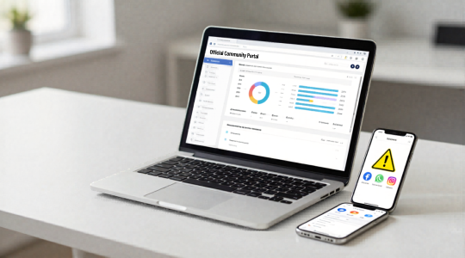
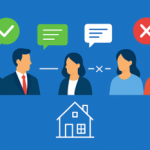
In community associations and homeowners’ association (HOA) communities, clear and reliable communication plays a vital role in maintaining order, transparency, and resident satisfaction. Official communication channels such as property management systems, formal notices, and board announcements are designed to ensure consistency and accountability. However, unofficial communication channels including private Facebook groups, Viber chats, WhatsApp threads, and informal email chains often emerge as alternative sources of information.
While these channels may seem convenient, they introduce serious risks that can negatively impact community and HOA governance, community relationships, and even property values. Understanding the dangers of unofficial communication is essential for community managers, homeowners and residents.
The Risk of Misinformation in Community Associations
In community management, even small inaccuracies about HOA fees, bylaws, or community policies can lead to confusion and disputes. Unverified discussions in informal groups often result in misinterpretations of rules, speculation about assessments, and incorrect updates about maintenance or regulations.
Because these channels lack oversight, misinformation spreads quickly and becomes difficult to correct. This weakens trust in official communication and causes homeowners and residents to make decisions based on inaccurate information, ultimately disrupting community operations.
How Unofficial Channels Undermine HOA Governance
Unofficial communication channels can erode the authority of community and HOA boards and property managers. When communities rely on informal discussions instead of official announcements, decision-making processes become clouded by speculation and incomplete information. In some cases, individuals within these groups may assume informal leadership roles, influencing opinions without proper authority or accountability.
This creates confusion about what policies are official, reduces respect for HOA leadership, and makes it more difficult to enforce rules effectively. Over time, governance becomes less efficient, and community compliance declines.
Conflict Escalation and Community Tension
Conflict is inevitable in shared living environments, but unofficial communication channels often make these issues worse. Instead of reporting concerns through proper community and HOA processes, the community may voice complaints publicly in private group chats or social media groups. As a result, minor issues can escalate into major disputes that affect the entire community. This leads to strained relationships, increased tension among communities, and a more challenging environment for community managers to maintain harmony.
Privacy and Legal Concerns in Property Management
Privacy is a critical concern in communities, and unofficial communication channels can expose the community and associations to serious legal risks. Sharing personal information, posting photos or videos without consent, or making public accusations can lead to violations of privacy laws or defamation claims.
Because these platforms operate outside official governance structures, there are no safeguards to protect homeowner and resident data or ensure responsible communication. This increases the likelihood of legal disputes and damages trust within the community.
Unequal Access to Information
Another major drawback of unofficial communication is the creation of information gaps among the community. Those who participate in private groups often receive updates earlier or gain access to insights that are not shared through official channels, while the rest are left uninformed, creating a sense of exclusion or unfairness.
This lack of equal access undermines transparency, reduces engagement in community and HOA activities, and can lead to dissatisfaction among homeowners who feel they are not being treated equally.
Increased Burden on Community Managers
When misinformation and conflicts arise from unofficial channels, community managers are often forced into a reactive position. Instead of focusing on improving services and maintaining the community, they must spend time addressing rumors, clarifying issues, and resolving escalated disputes.
This reduces operational efficiency and can lead to frustration among both management teams and residents, ultimately affecting the overall quality of community management.
Best Practices for Managing HOA Communication
To reduce the risks associated with unofficial communication channels, community managers and HOA boards should focus on strengthening official systems. Providing timely and transparent updates helps minimize speculation and builds trust among residents. Encouraging homeowners to rely on verified sources of information ensures consistency and reduces confusion.
At the same time, fostering a culture of inclusivity and open communication can help balance the natural desire for social interaction with the need for structured and accountable communication.
For community associations and HOAs to thrive, communication must remain accurate, transparent, and inclusive. By strengthening official channels and promoting responsible communication practices, community managers and leaders can protect the integrity, safety, and long-term value of their communities.
Contact us so we can assist your community today.
New Jersey:
Lawrence N. Sauer, CMCA PCAM CPM at 973-376-3925, ext.129 or email larry.sauer@cp-management.com
Pennsylvania:
Andrew Batshaw at 973-376-3925, ext.191 or email andrew.batshaw@cp-management.com