
Why Activated Amenities in Community Associations Matter
April 21, 2026
How Pool Rules Help Protect Communities from Liability
May 13, 2026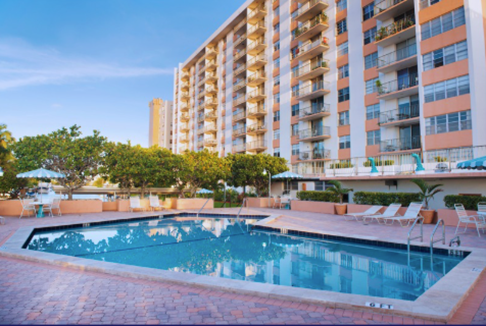
As warmer weather approaches, pool season becomes one of the most anticipated amenities for homeowners and residents across our communities. A well-managed pool area enhances community satisfaction, promotes community engagement, and adds significant value to the community. However, opening and operating a pool is far more complex than unlocking the gate and filling it with water. From regulatory compliance and staffing challenges to safety protocols and resident education, pool season requires careful planning and proactive management.
At Corner Property Management AAMC, our approach to pool operations prioritizes compliance, safety, and a positive community experience. Understanding what goes on behind the scenes helps homeowners and residents appreciate the importance of rules, procedures, and communication throughout the season.
Navigating Compliance and Regulatory Requirements
Swimming pools are highly regulated amenities subject to state and local health codes. These regulations are in place to protect public health and ensure that pools are safe for use. Before a pool can open for the season, it must pass inspections conducted by local health departments. These inspections typically evaluate water quality, chemical balance, filtration systems, drain covers, signage, fencing, and emergency equipment.
Ongoing compliance does not stop once the pool opens. Water chemistry must be tested frequently, often multiple times per day depending on local requirements. Improper chemical levels can lead to health risks such as skin irritation, respiratory issues, or the spread of waterborne illness. Equipment such as pumps, filters, and drains must be routinely inspected and maintained to prevent mechanical failures that could force closures or create unsafe conditions.
Additional compliance considerations include ensuring that posted rules meet regulatory standards, occupancy limits are clearly displayed, and access controls function properly. Many jurisdictions also require specific documentation, such as daily maintenance logs and incident reports, to be kept on file. Failure to meet any of these requirements can result in fines, temporary shutdowns, or liability exposure for the community.
Staffing Challenges and Responsibilities
One of the most critical components of pool operations is staffing. Hiring and retaining qualified lifeguards and pool attendants has become increasingly challenging nationwide. Lifeguards must be properly certified and trained not only in rescue techniques but also in enforcing rules, handling emergencies, and communicating effectively with residents.
Staffing shortages can directly impact pool hours or lead to temporary closures when coverage cannot be guaranteed. This is why communities often have specific operating hours that align with staffing availability and local regulations. Pool attendants also play a vital role in monitoring access, maintaining cleanliness, addressing minor maintenance issues, and serving as the first point of contact for resident concerns.
In addition to front-line staff, property management teams coordinate with vendors, maintenance professionals, and inspection agencies throughout the season. This coordinated effort ensures that issues are addressed quickly and that the pool remains open, compliant, and enjoyable for as long as possible.
Prioritizing Resident Safety
Community safety is at the heart of every pool policy and procedure. While pools are designed for recreation and relaxation, they also carry inherent risks. Clear rules and consistent enforcement are essential in minimizing accidents and ensuring that everyone can enjoy the space safely.
Posted pool rules are not arbitrary. They typically address critical issues such as no running on wet surfaces, age requirements for unaccompanied minors, limits on guest access, and restrictions on glass containers. These rules are designed to reduce slip-and-fall incidents, prevent overcrowding, and maintain a controlled environment.
Emergency preparedness is another key element of safety. Lifeguards and staff are trained to respond to medical incidents, water rescues, and evacuations. Emergency equipment, including rescue hooks, life rings, and first aid kits, must be readily accessible at all times. In many communities, emergency action plans are required and regularly reviewed to ensure staff readiness.
Community cooperation is essential in maintaining a safe pool environment. Following posted guidelines, supervising children closely, and respecting staff instructions all contribute to a safer and more enjoyable experience for everyone.
Creating a Positive Pool Experience
While compliance and safety are critical, the overall pool experience also matters. Cleanliness, maintenance, and clear communication significantly influence community satisfaction. Regular cleaning of pool decks, furniture, and restrooms helps maintain a welcoming environment. Prompt attention to maintenance issues such as broken furniture, cloudy water, or malfunctioning gates prevents small problems from becoming major disruptions.
Communication is important. Communities benefit from clear, timely updates about opening dates, hours of operation, weather-related closures, and rule reminders. Proactive communication helps set expectations and reduces frustration when unavoidable issues arise.
Pool season is a shared responsibility between management, staff, homeowners and residents. When everyone works together, the pool becomes a safe, enjoyable amenity that enhances community living.
A Commitment to Safety and Service
At Corner Property Management AAMC, we recognize that pool season represents both an opportunity and a responsibility. By prioritizing regulatory compliance, investing in qualified staff, and promoting a culture of safety, we aim to deliver a pool experience that residents can enjoy with confidence. As the season unfolds, we appreciate the communities’ cooperation and understanding as we work to keep them safe, compliant, and thriving.
New Jersey:
Lawrence N. Sauer, CMCA PCAM CPM at 973-376-3925, ext.129 or email larry.sauer@cp-management.com
Pennsylvania:
Andrew Batshaw at 973-376-3925, ext.191 or email andrew.batshaw@cp-management.com