

5 Simple Ways to Improve Home Energy Efficiency This Fall
September 17, 2026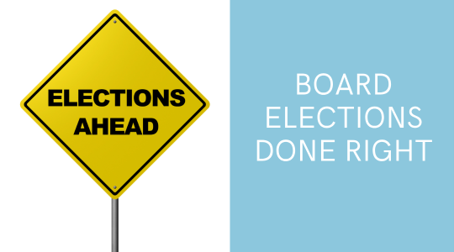
The success of any homeowners association starts with strong leadership, and that leadership begins at election time. HOA board elections are more than an annual requirement. They are an opportunity for homeowners to shape the future of their community by selecting individuals who will make important decisions regarding finances, maintenance, community standards, reserves, capital improvements, and long-term planning.
When board elections are conducted fairly and transparently, they strengthen homeowner confidence, encourage community participation, and promote effective governance. Unclear procedures or communication gaps can create confusion, reduce voter turnout, and lead to unnecessary disputes among homeowners and residents. An organized election process helps ensure every homeowner has the opportunity to participate and trust the outcome.
For HOA and condominium associations, running a successful election requires careful preparation, compliance with governing documents, adherence to applicable state laws, consistent communication, and a commitment to transparency from start to finish.
Why Fair HOA Elections Matter
Homeowners deserve confidence that the election process is unbiased and transparent. When elections are conducted properly, residents are more likely to participate, trust board decisions, and remain engaged in community affairs.
On the other hand, poorly managed elections can lead to disputes, confusion, and concerns about the validity of results. Even the perception of unfairness can create unnecessary conflict within a community.
A transparent election process demonstrates that every homeowner has an equal opportunity to have their voice heard and influence the future of their association.
Start with Clear Election Procedures
The foundation of a successful HOA election begins with understanding and following the association’s governing documents. Bylaws typically outline critical election requirements such as candidate eligibility, nomination procedures, voting methods, quorum requirements, and election timelines. Board members and election organizers should review these documents well before election season begins to help prevent misunderstandings and ensure compliance throughout the process.
In addition to an association’s governing documents, boards must remain aware of applicable state laws that may impact election procedures. Recent legislative changes in several states have increased transparency and standardized election requirements for common interest communities. For example, Pennsylvania’s Act 115 introduced important election-related provisions affecting condominium and homeowners associations, while New Jersey’s Radburn law established significant reforms regarding board elections, voting rights, candidate access to association communications, and election transparency. Associations should ensure their election procedures comply not only with their governing documents but also with current state statutes and regulatory requirements.
Professional community management can also assist boards in interpreting election requirements, monitoring legislative changes, and maintaining consistency with established procedures.
Encourage Qualified Candidates
One of the biggest challenges many associations face is encouraging homeowners to run for the board. Communities benefit from having a diverse pool of candidates with different backgrounds, skills, and perspectives.
To generate interest, boards should actively promote open positions and explain the responsibilities of board service. Potential candidates may be more willing to participate when they understand how they can contribute to the community’s success. Sharing candidate biographies before the election allows homeowners to make informed decisions and helps create a more engaged voting process.
Communicate Early and Often
Communication is a critical component of election success. Residents should receive timely information regarding election dates, deadlines, candidate information, and voting procedures. Effective communication may be delivered through community newsletters, email announcements, resident portals, website updates, and physical postings in common areas. Using multiple communication channels helps ensure homeowners stay informed and engaged throughout the election process.
When homeowners know what to expect and when action is required, participation rates often improve significantly. Consistent messaging also helps reduce rumors, confusion, and last-minute questions that can complicate the election process.
Maintain Transparency Throughout the Election
Transparency is the key to maintaining homeowner confidence. Every step of the election process should be documented and communicated appropriately. Communities should clearly explain how votes will be collected, who will be responsible for counting ballots, when election results will be announced, and what procedures are in place to address any challenges or disputes.
Many associations choose to work with management companies or independent election inspectors to oversee the process and provide an added layer of credibility. An objective election process reassures residents that outcomes reflect the will of the community rather than individual interests.
Leverage Technology for Better Participation
Modern technology can simplify election administration and increase homeowner engagement. Secure online voting platforms offer convenience while maintaining the integrity of the election process. Electronic voting can increase voter turnout, reduce administrative burdens, improve accuracy, accelerate vote counting, and simplify recordkeeping.
For communities with seasonal residents, investors, or homeowners who travel frequently, online voting may significantly improve participation rates by making it easier for owners to cast their ballots from anywhere.
Announce Results Professionally
Once votes have been verified and counted, results should be communicated promptly and professionally. Homeowners appreciate timely updates regarding election outcomes, vote certification, introductions of newly elected board members, and information about upcoming organizational meetings.
Prompt reporting demonstrates accountability and allows newly elected board members to begin serving the community without unnecessary delays.
Partner with Professionals for Election Success
Board elections should bring communities together, not create division. With proper planning, transparent procedures, and consistent communication, associations can conduct elections that inspire confidence and foster community involvement.
At Corner Property Management AAMC, we help HOA and condominium associations navigate every stage of the election process, from candidate outreach and voting administration to compliance and homeowner communication. Our goal is to support fair, efficient, and transparent elections that strengthen community governance and position associations for long-term success.
Looking for professional guidance with your next board election? Contact us to learn how our experienced team can help your community run a smooth and successful election process.
New Jersey:
Lawrence N. Sauer, CMCA PCAM CPM at 973-376-3925, ext.129 or email larry.sauer@cp-management.com
Pennsylvania:
Andrew Batshaw at 973-376-3925, ext.191 or email andrew.batshaw@cp-management.com