
Budget Season Is Here: Questions Every Board Should Be Asking
August 13, 2026
5 Simple Ways to Improve Home Energy Efficiency This Fall
September 17, 2026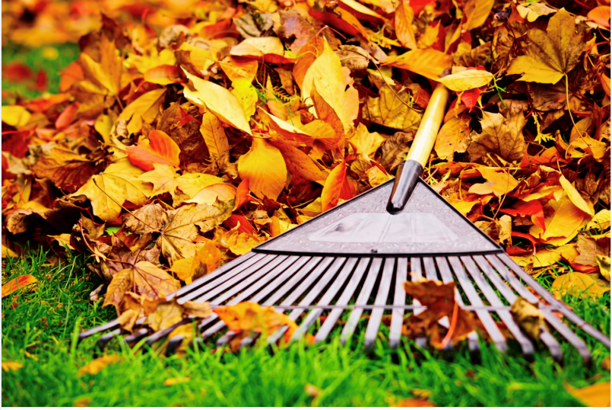
As summer fades and cooler temperatures begin to settle in, fall presents the perfect opportunity to prepare your community for the changing season. Whether you serve on a Board of a residential community or simply want to protect your investment, proactive fall maintenance can help prevent costly repairs, enhance curb appeal, and keep homeowners and residents safe and comfortable throughout the months ahead.
Preparing your community for fall is not just about seasonal upkeep. It is about preserving property value, improving energy efficiency, and ensuring a safe environment for everyone on-site. By addressing maintenance, landscaping, and safety concerns early, homeowners and residents can avoid many of the challenges that come with colder weather.
Prioritize Seasonal Community Maintenance
One of the most important aspects of fall readiness is conducting a thorough property inspection. Cooler temperatures and increased rainfall can expose vulnerabilities that may have gone unnoticed during the summer months.
Start by inspecting roofs, gutters, and downspouts. Falling leaves can quickly clog drainage systems, leading to water buildup, roof damage, and foundation issues. Removing debris and ensuring proper water flow can help protect buildings from costly moisture-related problems.
HVAC systems should also be serviced before temperatures drop. Replacing filters, inspecting heating equipment, and scheduling professional maintenance can improve energy efficiency while ensuring residents stay comfortable throughout the season. A well-maintained heating system can also reduce utility expenses and minimize the risk of unexpected breakdowns during colder months.
Fall is also an ideal time to check windows and doors for air leaks. Sealing gaps and repairing weatherstripping can prevent drafts, lower energy costs, and improve indoor comfort. Small repairs completed now can result in significant savings throughout the winter.
Refresh Landscaping for Seasonal Appeal
Landscaping plays a major role in maintaining a property’s appearance during the fall season. While colorful autumn foliage creates visual appeal, it also requires strategic management to keep outdoor spaces attractive and functional.
Regular leaf removal is essential for maintaining healthy lawns and preventing slip hazards. Excessive leaf buildup can smother grass, attract pests, and create damp conditions that encourage mold growth. Keeping walkways, parking areas, and common spaces clear helps preserve both safety and curb appeal.
Fall is also the perfect season for pruning trees and shrubs. Removing dead or damaged branches reduces the risk of storm-related damage and encourages healthy growth in the spring. Community Managers should pay special attention to branches near buildings, power lines, and pedestrian pathways.
Mulching flower beds and landscaped areas can provide additional protection during cooler temperatures. Fresh mulch helps retain soil moisture, regulate temperature fluctuations, and create a polished appearance that enhances overall property aesthetics.
For communities with irrigation systems, fall is the time to inspect and winterize equipment. Proper seasonal preparation can help prevent frozen pipes and costly repairs once temperatures continue to drop.
Enhance Outdoor Safety Measures
Safety should remain a top priority as fall weather introduces new risks for homeowners, residents and visitors. Shorter daylight hours, wet surfaces, and seasonal storms can increase the likelihood of accidents if preventive measures are not taken.
Outdoor lighting should be inspected and upgraded as needed. Well-lit parking lots, pathways, entrances, and common areas improve visibility and help reduce potential safety concerns. Replacing burnt-out bulbs and addressing dark spots can greatly enhance homeowner and resident confidence and security.
Communities should also periodically evaluate whether existing lighting levels are adequate, particularly in areas with increased pedestrian traffic or changing landscape conditions.
For communities where outdoor lighting is controlled by timers rather than photocells, regular monitoring and adjustment of timer settings is especially important. Because sunrise and sunset times change throughout the year, timers that are not updated seasonally may cause lights to turn on too late, leaving common areas inadequately illuminated during dusk hours, or remain on longer than necessary, resulting in unnecessary energy consumption and increased operating costs. Reviewing timer schedules throughout the year helps ensure lighting remains effective for resident safety, maintains proper visibility in common areas, and supports efficient energy management.
Walkways, stairs, and parking areas should be routinely inspected for cracks, uneven surfaces, or other hazards. Addressing minor repairs before winter weather arrives can help prevent slips, trips, and falls.
Community Managers should also review emergency preparedness procedures. Storm season can bring strong winds, heavy rain, and power outages in many regions. Ensuring that emergency contacts, communication systems, and response plans are current helps communities remain prepared for unexpected situations.
In addition, smoke detectors, carbon monoxide detectors, and fire extinguishers should be inspected regularly. As heating systems begin operating more frequently, ensuring all safety equipment is functioning properly is essential for protecting homeowners, residents and property assets.
Improve Energy Efficiency Before Winter
Fall provides an excellent opportunity to implement energy-saving measures that benefit both homeowners and residents. Energy-efficient improvements can help reduce operating costs while supporting sustainability goals.
Upgrading to LED lighting in common areas, adding programmable thermostats, and improving insulation can contribute to lower energy consumption. These enhancements not only improve property performance but can also increase resident satisfaction through reduced utility costs and enhanced comfort.
Community Managers should also inspect exterior walls, roofing systems, and building envelopes for areas where heat loss may occur. Addressing these concerns before winter arrives can provide long-term financial and operational benefits.
Protect Property Value Through Preventive Care
Preventive maintenance remains one of the most effective strategies for protecting property value. Rather than reacting to seasonal issues as they arise, proactive planning helps extend the lifespan of major building systems and reduces the likelihood of emergency repairs.
By investing in regular inspections, landscaping upkeep, and safety improvements each fall, property owners can maintain attractive, efficient, and well-managed communities. Residents appreciate properties that are clean, safe, and properly maintained, which can contribute to higher retention rates and stronger overall satisfaction.
Get Your Community Ready for Fall with Expert Guidance
Fall readiness requires careful planning, consistent maintenance, and attention to detail. From seasonal inspections and landscaping enhancements to safety improvements and energy-efficient upgrades, taking action now can help protect your community throughout the cooler months ahead.
Need help preparing your community or investment property for fall? Corner Property Management (CPM) AAMC offers professional community management services designed to keep your property operating smoothly year-round. Our experienced team can assist with maintenance coordination, vendor management, landscaping oversight, safety initiatives, and proactive property care. Contact CPM today to learn how we can help your community stay safe, attractive, and well-maintained during this fall season and beyond.
New Jersey:
Lawrence N. Sauer, CMCA PCAM CPM at 973-376-3925, ext.129 or email larry.sauer@cp-management.com
Pennsylvania:
Andrew Batshaw at 973-376-3925, ext.191 or email andrew.batshaw@cp-management.com